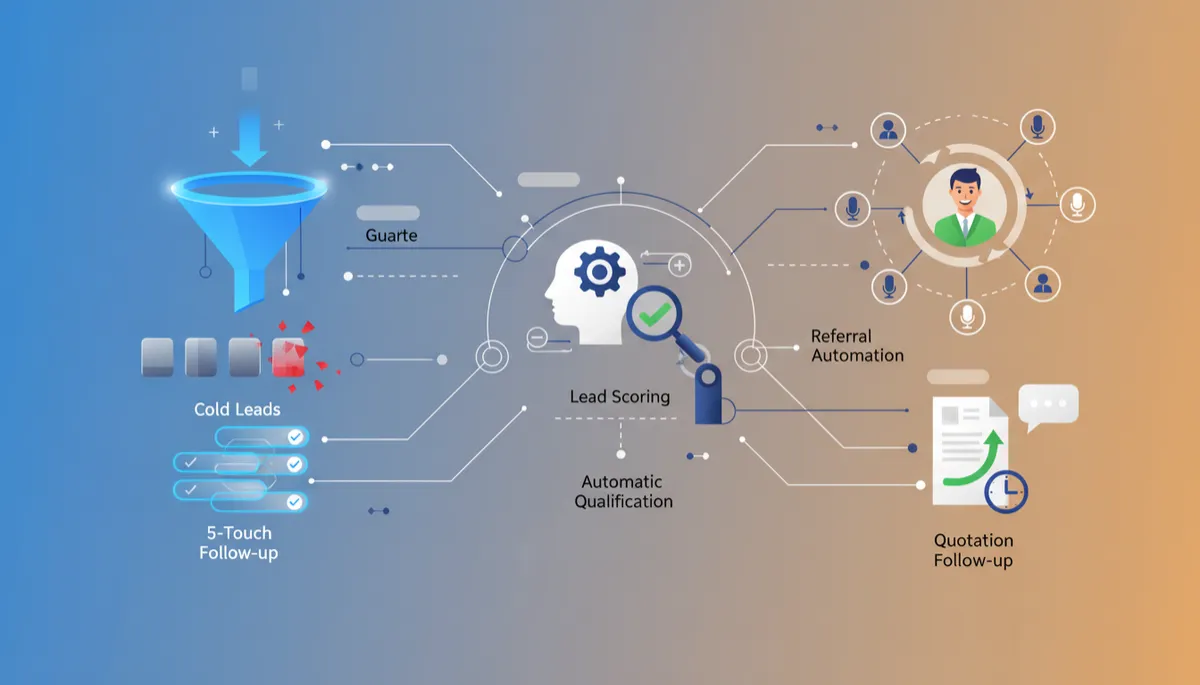
Master Sales & Pipeline for SME Growth
Sales, Pipeline Management, SME Growth
Sales & Pipeline Mastery for SMEs: Turn Cold Leads into Consistent Revenue
Most small and medium-sized businesses don’t have a sales problem; they have a pipeline and follow-up problem. Leads come in, everyone gets busy, and then… silence. In this guide, you’ll learn why SME leads go cold, how to fix it with a simple 5-touch follow-up, and practical ways to score, qualify, and nurture leads—without needing a big sales team or complex software.
1. Why Most SME Leads Go Cold
When you talk to SME owners about sales, you often hear the same story: “We get plenty of enquiries, but they just go quiet.” It feels like a mystery, but in reality, most leads go cold for a handful of predictable reasons—none of which are about your value being too low or your prices being too high.
No structured follow-up: Many SMEs rely on memory, inbox searches, or scattered notes. If follow-up isn’t scheduled, it simply doesn’t happen—especially when delivery work gets busy.
One-and-done contact: A quote is sent or a discovery call happens, and then the ball is left in the prospect’s court. If they don’t reply, the lead is assumed “not interested”, even though they may just be distracted or waiting for the right moment.
No clear owner of the lead: Marketing thinks sales will follow up, sales thinks the founder will, and the founder assumes “someone is on it”. Without a named owner, leads drift away.
Slow response times: In many sectors, the first business to respond wins. If your reply takes 24–48 hours while a competitor replies in 30 minutes, you’ve already lost ground before the conversation starts.
No nurturing for “not yet” leads: People enquire early. They research, compare, and wait for internal approval. If you don’t stay present during that window, they forget you exist or assume you’re too busy for them.
The painful truth is this: most SME leads don’t say “no” – they just quietly cool down. Your job is to build a pipeline system that keeps them warm, moves them forward, and makes it easy for them to say “yes” when the timing is right.
📌 Key Takeaway: Cold leads are usually the result of inconsistent follow-up and unclear ownership, not a lack of interest or poor product-market fit.
2. The 5-Touch Follow-Up That Fixes It
You don’t need a complex automation platform to follow up effectively. What you need is a simple, repeatable 5-touch sequence that every lead goes through unless they clearly opt out or say no. Think of it as a mini customer journey that starts the moment someone raises their hand.
Touch 1: Fast First Response (Within 1–2 Hours)
Aim to respond the same working hour whenever possible. This first touch should:
Acknowledge their enquiry and thank them.
Confirm what they’re looking for in simple language.
Offer a clear next step (call, demo, visit, or more info).
Example: “Thanks for reaching out about website redesigns. A quick 15-minute call will help us give you a realistic quote—would tomorrow at 10:30 or 3:00 suit you better?”
Touch 2: Value Add (Day 2–3)
If they haven’t booked a call or replied, follow up with something helpful related to their problem—not another generic “just checking in”. For example:
A short checklist (“5 things to decide before choosing a new IT provider”)
A case study similar to their situation
A 2–3 minute video answering a common question
Touch 3: Personal Nudge (Day 5–7)
This is where many SMEs give up. Instead, send a short, human message. For example:
“Hi Sarah, just wanted to check if you had any questions about the options I sent over. No rush—if the timing isn’t right, I can make a note to revisit in a few weeks.”
Touch 4: Alternative Channel (Week 2–3)
People miss emails. Try another channel: a quick phone call, LinkedIn message, or even SMS if appropriate and consented. Keep it respectful and light, not pushy. The aim is to see if they are still considering solutions and to keep your name top of mind.
Touch 5: “Permission to Close the Loop” (Week 4)
The final touch is a polite close-out, which often triggers a response from people who were interested but busy. For example:
“I don’t want to keep chasing you, so I’ll close your file for now. If you’d like to revisit the project later this year, just reply ‘reopen’ and I’ll pick it up.”
💡 Pro Tip: Build this 5-touch sequence as a simple checklist or template in your CRM or spreadsheet. Every new lead automatically starts at touch 1 and moves through the steps until they convert or clearly opt out.
3. Lead Scoring for Small Teams: Simple Rules That Work
Lead scoring sounds like something only enterprise sales teams with fancy CRMs can do. In reality, a simple scoring system helps even a two-person team decide who to call first and how much effort to invest. The goal is to focus your limited time on the leads most likely to buy soon.
Step 1: Define What a “Good” Lead Looks Like
Look at your last 10–20 customers and ask:
What size are they (revenue, employees, order value)?
Which industries or types of customers are the best fit?
What problems were they trying to solve when they came to you?
Turn those patterns into criteria. For example: “UK-based service business, 10–50 staff, struggling with manual admin.”
Step 2: Create a Basic Points System
You can run this in a spreadsheet or basic CRM. Assign points for:
Fit (0–10 points): Are they your ideal size, sector, and location?
Intent (0–10 points): Did they request a quote, book a call, or just download a guide?
Timing (0–10 points): Are they buying “now”, “soon”, or “someday”?
A simple rule could be:
20–30 points = Hot (call within 24 hours)
10–19 points = Warm (add to your 5-touch follow-up, call within 3 days)
0–9 points = Cold (nurture via email and content, no urgent calls)
Step 3: Review and Adjust Monthly
Lead scoring isn’t set-and-forget. Once a month, look at:
Which scores actually converted?
Are you classifying too many as “hot” or too few?
Then tweak your scoring rules. Over time, your small team will get very good at spotting the leads that deserve immediate attention.
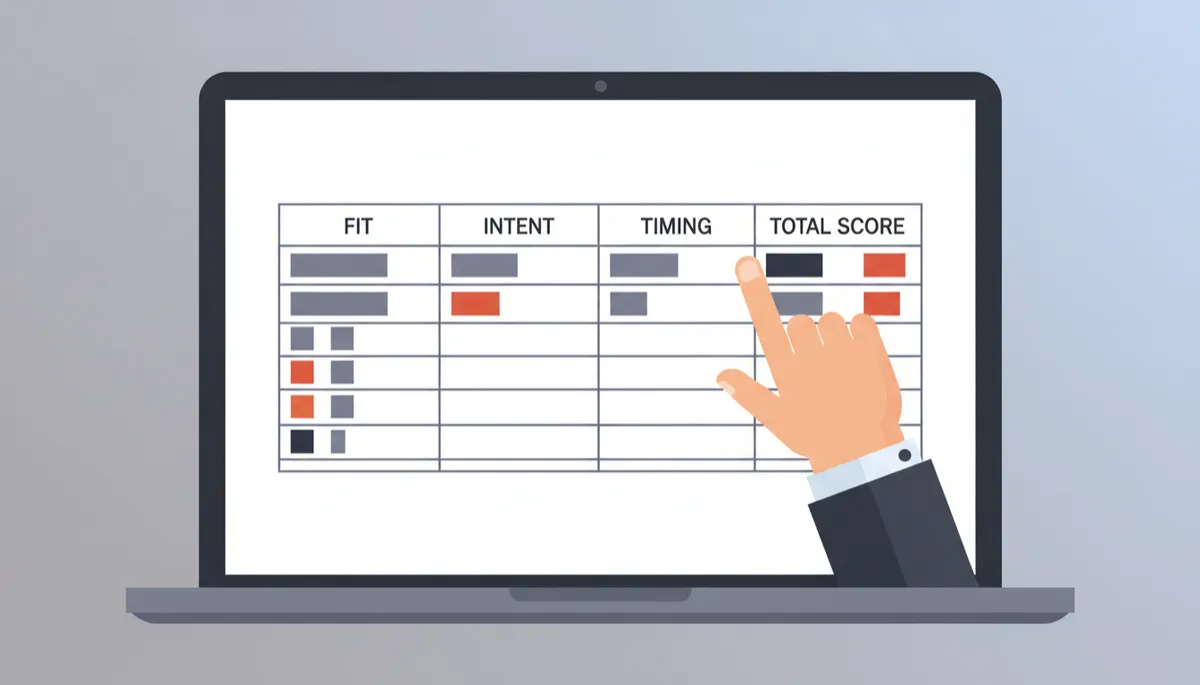
Even a basic lead scoring sheet can double your focus on high-value prospects.
4. How to Qualify Leads Automatically Before Your Sales Team Calls Them
One of the biggest time-wasters in SME sales is calling people who were never a good fit in the first place. You can protect your team’s time by qualifying leads automatically before a human ever picks up the phone—using forms, simple automations, and a few smart questions.
Use Smart Enquiry Forms, Not Just “Contact Us”
Replace a generic contact form with a short questionnaire that captures key qualifiers. For example:
“What’s the main challenge you’re trying to solve?”
“Roughly how many staff/customers/locations do you have?”
“What’s your ideal timeline for getting this in place?”
These answers tell you fit, urgency, and potential value before you make a call. Tools like form builders, booking systems, or simple survey tools can all capture this data automatically and feed it into your CRM or spreadsheet.
Add Simple Routing Rules
Once you collect the right information, set basic rules:
If budget or company size is below a minimum, send a polite email with self-service resources rather than a sales call.
If timeline is “within 30 days” and the challenge matches your core offer, flag as “priority” and notify the team instantly.
Even simple tools—like email filters, tags, or colour-coding rows in a sheet—can help your team see at a glance who to call and who to nurture more slowly.
Pre-Call Education to Warm Up the Conversation
After someone submits your form or books a call, send a short sequence that:
Confirms the appointment or next step
Shares a case study or testimonial relevant to their situation
Sets expectations for the call (length, agenda, who will be there)
This “pre-qualification plus pre-education” means your sales team spends less time chasing poor-fit leads and more time having high-quality conversations with people who are informed and ready.
📌 Key Takeaway: Ask smarter questions earlier, and you automatically filter out poor fits while making serious buyers feel looked after from the first contact.
5. Referral Automation: Turn Happy Customers into Your Best Sales Channel
Referrals are often the warmest, highest-converting leads you will ever get. Yet most SMEs rely on them happening “by accident” rather than by design. Referral automation is about building a simple, repeatable process that nudges happy customers to introduce you to others—without feeling awkward or pushy.
Step 1: Identify Referral Moments
Look for points in your customer journey where satisfaction is high:
Right after a successful project or delivery
When a customer leaves a positive review or NPS score
After a renewal or upsell
These are perfect times to say, “If you know anyone else facing X challenge, we’d really appreciate an introduction.”
Step 2: Make Referrals Easy and Specific
Don’t just say “Please refer us to your network.” Instead, be clear and make it simple:
Provide a short email template they can forward to a friend or colleague.
Offer a small thank-you (gift card, discount, donation to a charity) for successful referrals if appropriate in your industry.
Automation tools can trigger these referral requests based on events (project completion, invoice paid, feedback form submitted), but even a calendar reminder to send two referral requests per week is a powerful start.
Step 3: Track and Thank Religiously
Create a simple column in your pipeline: “Referred by”. Whenever a referral comes in, log who introduced them. When the new customer buys, send a thank-you within 24 hours. Over time, you’ll see which customers are your true advocates, and you can give them extra attention and appreciation.
💡 Pro Tip: A quick personalised video or handwritten note thanking a referrer can turn a one-time advocate into a long-term partner who keeps sending high-quality leads.
6. Quotation Follow-Up: The Step Most Businesses Skip
For many SMEs, the pipeline looks like this: enquiry → discovery → quote sent… and then nothing. The quote is treated as the finish line instead of the halfway point. Yet most buyers need help to move from quote to decision. This is where consistent quotation follow-up becomes a quiet superpower.
Build a Quote Follow-Up Mini-Sequence
For every quote sent, schedule 3–4 follow-up actions immediately. For example:
Day 1: Confirm receipt and offer to walk through the quote on a quick call.
Day 4: Share a case study, testimonial, or FAQ that addresses common objections (price, timing, risk).
Day 7–10: Personal check-in: “What would help you make a confident decision?”
Day 14–21: Close-the-loop message, similar to the 5th touch in your main follow-up sequence.
The goal isn’t to pressure; it’s to reduce friction by answering questions, clarifying details, and reminding them that you’re ready when they are.
Make It Easy to Say “Yes”
Many quotes go cold because the next step is vague. Make acceptance crystal clear:
Include a “click to accept” button or a clear “reply ‘yes’ to proceed” instruction in your email.
Outline what happens after acceptance (onboarding steps, timelines, key dates) so they feel confident about moving forward.
When you treat quote follow-up as a core part of your pipeline, not an optional extra, you’ll often see conversion rates improve without changing your prices or offers at all.
7. Networking and BNI Follow-Up: Turn Contacts into Conversations
Many SME owners invest time in networking groups, breakfasts, and BNI meetings. They leave with a stack of business cards and good intentions—but little actual pipeline movement. The missing piece is a simple follow-up routine that turns casual contacts into real sales conversations and referral partners.
Follow-Up Within 24 Hours While the Memory Is Fresh
After each event or BNI meeting, block 30 minutes in your diary for follow-up. For each person you met:
Send a short, personalised message referencing your conversation (“Great to hear about your work with local charities…”).
Connect on LinkedIn with a custom note, not the default request.
Focus on Relationships, Not Immediate Sales
Networking works best when you lead with curiosity and value. Instead of jumping straight into a pitch, try:
“Would you be open to a 15-minute call to learn more about each other’s businesses and spot referral opportunities?”
Sending them an introduction to someone in your network they might benefit from meeting.
When people experience you as generous and reliable, they’re far more likely to think of you when opportunities arise.
Build a Light-Touch Nurture System for Your Network
Don’t let months pass without contact. Create a simple system to stay on people’s radar:
A quarterly email sharing useful tips, local news, or resources relevant to your network.
Occasional check-ins: “How are things going this quarter? Anything interesting you’re working on?”
For BNI members specifically, track 1–2 key contacts you want to deepen relationships with each month. Schedule regular one-to-ones, share introductions, and actively look for referrals you can send their way. The more you give, the more your pipeline will benefit in return.
📌 Key Takeaway: Networking ROI comes not from the meeting itself, but from the structured follow-up that turns “nice to meet you” into “let’s explore working together”.
Bringing It All Together: Your SME Sales Pipeline Playbook
Sales success for SMEs doesn’t come from flashy tools or aggressive tactics. It comes from consistent, thoughtful follow-up and a simple structure that everyone on the team can follow. To recap:
Most leads go cold because no one owns them and follow-up is ad hoc, not because your offer is weak.
A 5-touch follow-up sequence keeps you front of mind and gently moves people towards a decision.
Simple lead scoring helps small teams focus on the hottest, best-fit opportunities first.
Automatic qualification questions and routing rules protect your time and improve call quality.
Referral automation turns happy customers into a steady stream of warm leads.
Quotation follow-up is the hidden lever that can dramatically increase your win rate without changing your prices.
Networking and BNI only pay off when you turn contacts into ongoing conversations and collaborations.
You don’t need to implement everything at once. Choose one area—perhaps the 5-touch follow-up, or quotation follow-up—and put a simple, written process in place this week. Once that becomes routine, layer in lead scoring, referral requests, and networking follow-up. Step by step, you’ll build a sales pipeline that feels calm, controlled, and consistently productive—without needing a massive sales team or complicated technology.
