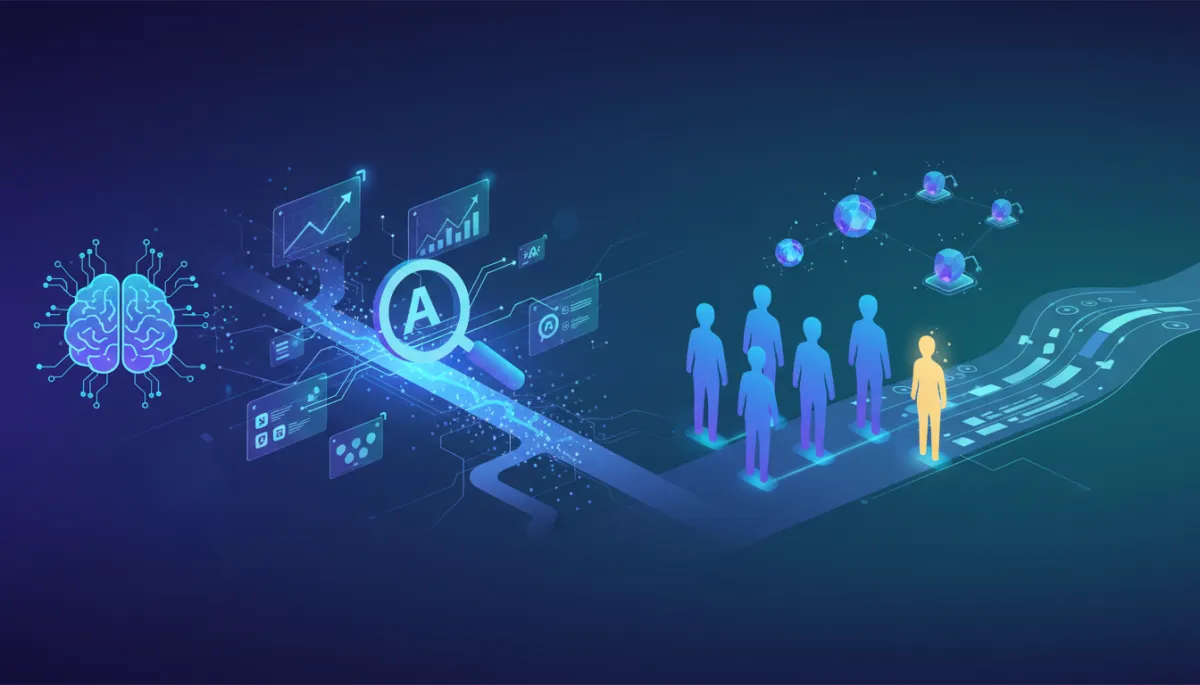
AI Marketing Predictions: Search Shifts by 2026
Marketing, Artificial Intelligence, Search Strategy
AI Marketing Predictions: The Search and Campaign Shifts That Will Define 2026
By 2026, AI won’t just be another marketing tool—it will quietly run a huge share of search visibility and campaign execution behind the scenes. Here’s how the landscape is changing, and what it means for brands that want to stay discoverable and competitive.
From Traditional SEO to Search Everywhere Optimization
The classic idea of SEO—tuning pages for blue links on Google—is fading fast. In 2026, marketers are embracing Search Everywhere Optimization (SEOx), a broader approach that assumes discovery can start on TikTok, YouTube, Reddit, Amazon, AI chatbots, voice assistants, or niche forums just as easily as on a search engine results page. Industry research shows that nearly 39% of professionals now see SEOx as a more accurate label for modern search practices, reflecting how fragmented discovery has become across platforms and devices.
Instead of obsessing over a single ranking, leading brands are mapping where their audiences actually search, then building systems to appear consistently in those ecosystems. That might mean vertical video for TikTok, long-form explainers for YouTube, structured product feeds for marketplaces, and AI-ready content on their own sites. The goal is simple: be present wherever a buying journey could begin, not just where it used to end.
Generative and Answer Engine Optimization Take Center Stage
Alongside SEOx, a new discipline is emerging: Generative / Answer Engine Optimization (AEO). As Google’s AI Overviews, ChatGPT, Gemini, Perplexity, and other generative interfaces summarize the web into direct responses, the question shifts from “How do I rank?” to “How do I become the source these systems trust and quote?”
AEO is about structuring information so AI systems can easily understand, extract, and attribute it. That means clear, conversational answers to specific questions, strong topical authority, consistent brand entities across platforms, and supporting signals like citations, reviews, and expert bylines. Technical work still matters—but now it is focused on retrievability by AI models as much as crawlability by search bots. Brands that adapt early will find themselves repeatedly surfaced inside AI-generated answers, even as overall website clicks decline.
The Big Shift: From Link-Finding to Answer-Finding
Underneath these trends lies a fundamental behavioral change: search is moving from link-finding to answer-finding. For years, marketers optimized to win the click. Users typed a query, scanned ten blue links, and chose where to go. In 2026, increasingly, the “visit” happens inside an AI interface. People expect a clear, context-aware answer in one step—whether they’re asking a smart speaker, an AI assistant on their phone, or a chatbot embedded in a social app.
For marketers, that means success is no longer measured only in organic sessions. It’s measured in how often your brand is mentioned, recommended, or transacted with inside these answer layers. Copy that once aimed to entice a click now needs to resolve intent directly: concise explanations, transparent pricing, clear comparisons, and trustworthy proof points that AI systems can confidently surface as “the” answer a user is looking for.
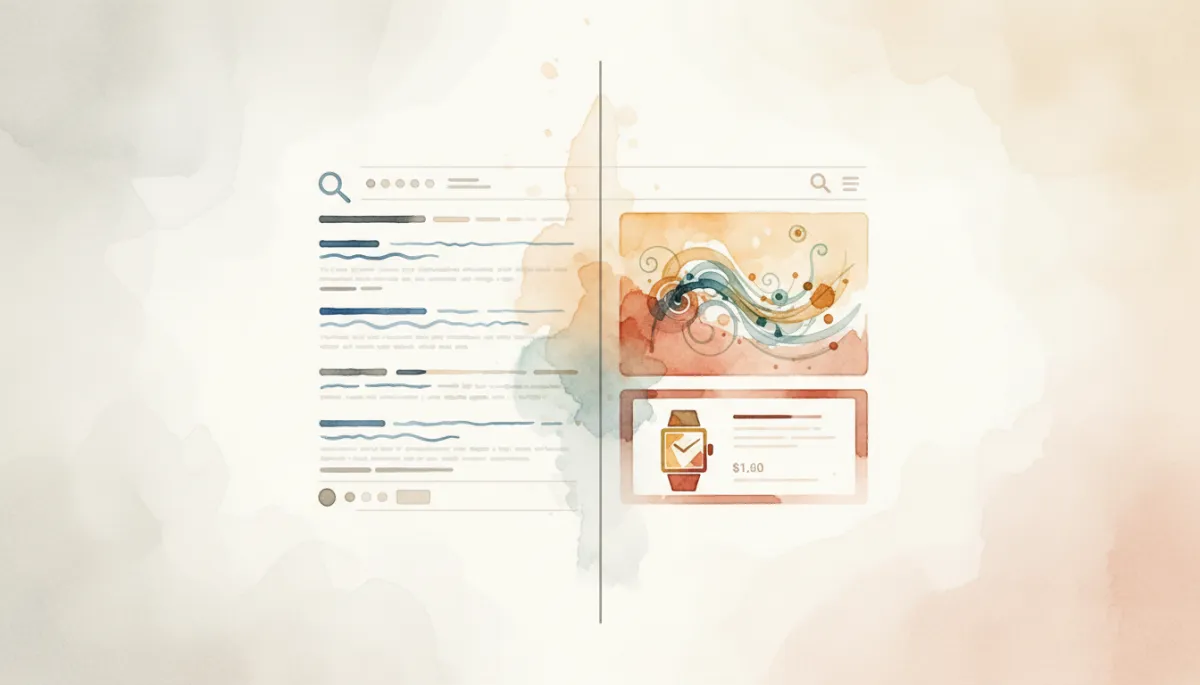
As search becomes answer-first, brands compete to power the response, not just the click.
AI Agents Move From Helpers to End-to-End Campaign Owners
At the same time, AI’s role inside marketing teams is evolving from assistant to autonomous operator. Agentic AI systems can now handle end-to-end campaign work: researching audiences, generating creative, building journeys, launching tests, optimizing budgets, and reporting on performance with minimal human intervention. Boston Consulting Group has found that leaders using agentic workflows see faster campaign cycles and significantly higher ROI, underscoring how powerful this shift can be when done well.
These agents don’t replace marketers; they compress the manual work between strategy and execution. A marketer might define objectives, guardrails, and brand voice, then let an AI agent orchestrate channel-level tactics—adjusting bids, rotating creatives, refining segments, and even coordinating with customer support bots. Human teams move up a level, focusing on positioning, storytelling, and governance rather than every operational detail.
One in Five Marketers Already Automate Initiatives End-to-End
Despite the hype, fully autonomous marketing is still emerging—but it is no longer theoretical. Current research indicates that roughly one in five marketers are already using AI agents to automate marketing initiatives end-to-end, from planning to optimization. Broader surveys show that while over 90% of marketers now use some form of AI, only a smaller subset has taken the leap into truly agentic workflows. Yet adoption curves and vendor investment suggest that share will keep climbing over the next two years.
As more teams see tangible gains—time savings, faster experimentation, and measurable ROI—the pressure to keep pace will intensify. Gartner, for example, expects a majority of brands to use agentic AI for one-to-one interactions by 2028. The marketers who start now, with semi-autonomous pilots and clear governance, will be best positioned to scale safely as tools mature and consumer expectations normalize around AI-driven experiences.
💡 Key Takeaway: Treat AI agents as emerging teammates, not magic boxes. Define where they own execution, where humans retain control, and how you will measure success before you hand them the keys to entire campaigns.
Preparing Your Marketing for 2026 and Beyond
The through-line across these trends is clear: visibility and performance in 2026 depend on how well you adapt to AI-mediated discovery and AI-driven execution. Traditional SEO alone won’t carry your brand; you’ll need Search Everywhere Optimization, Generative/Answer Engine Optimization, and a thoughtful approach to agentic automation to stay competitive as search shifts from links to answers and campaigns shift from manual to autonomous.
Now is the time to audit where your audience actually searches, refactor content so AI can confidently quote you, and experiment with AI agents on clearly scoped initiatives. The brands that do this work in 2026 won’t just keep up with the future of AI marketing—they’ll help define it.
